Hello, I’m Ahmed Sayed
I build the systems companies run on.
Eleven products in real use: a fleet and finance platform of eight systems, an HR system for 805 employees, cost control and procurement, IT asset control, three live websites, and two commerce apps. Each one replaced spreadsheets, chat photos and guesswork with figures that have a source, a date and an owner.
Fleet & finance platform for a contracting company
Ras Al Khaimah, UAE · in production since September 2026 · installed on every phone from one QR code
Fleet fuel and site reporting used to travel as WhatsApp photos and Excel files. Now a driver logs a fill-up with two photos in ten seconds, a document controller files the site’s daily equipment report, the project manager and then logistics approve it with an e-signature and a stamp, and accounts issue supplier invoices straight from the timesheets.
Every figure has a source, a date and an author. Every edit is logged. Every rule the owner set is written down with its date and reason, so the system explains itself a year later. The result: numbers the owner trusts, PDF and Excel reports ready for accounts, and a monthly archive built without anyone asking.
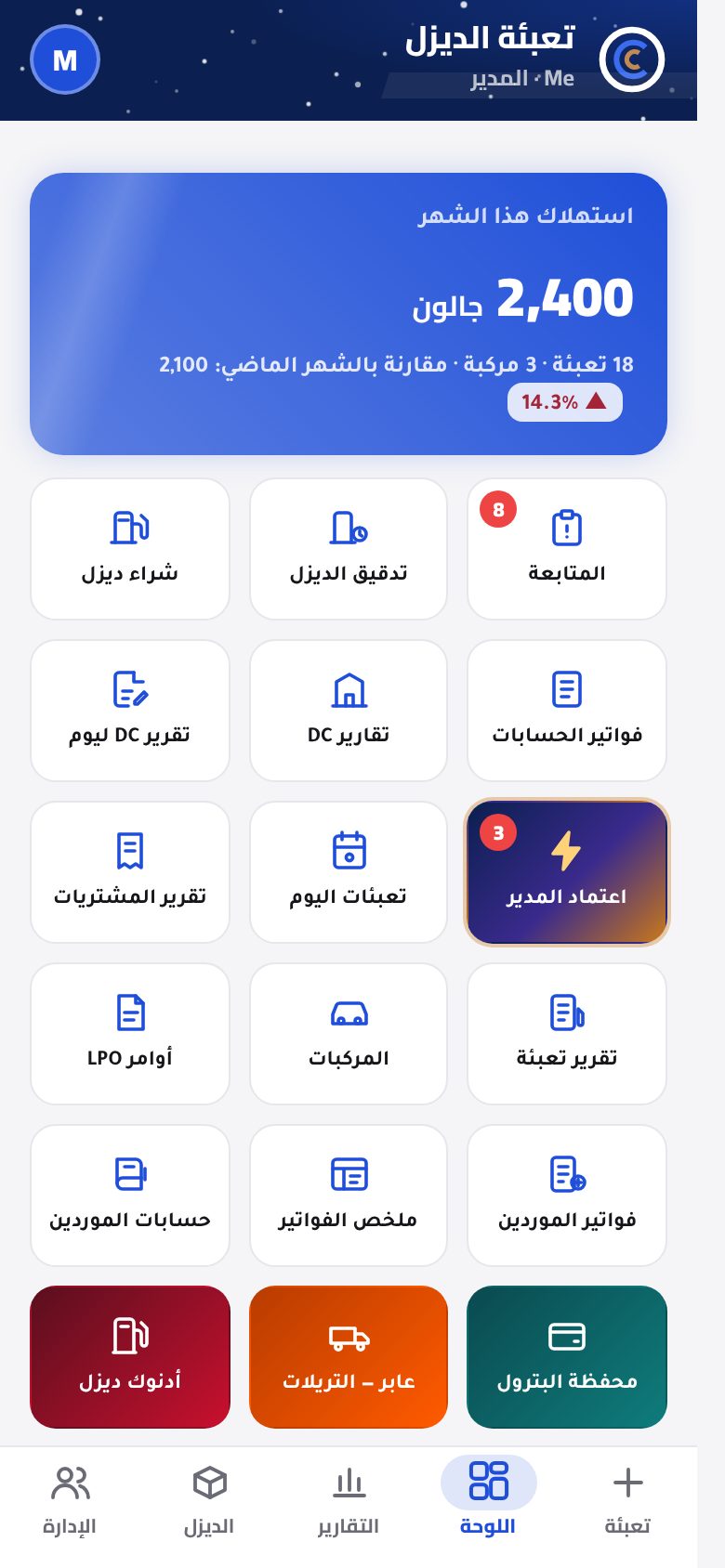

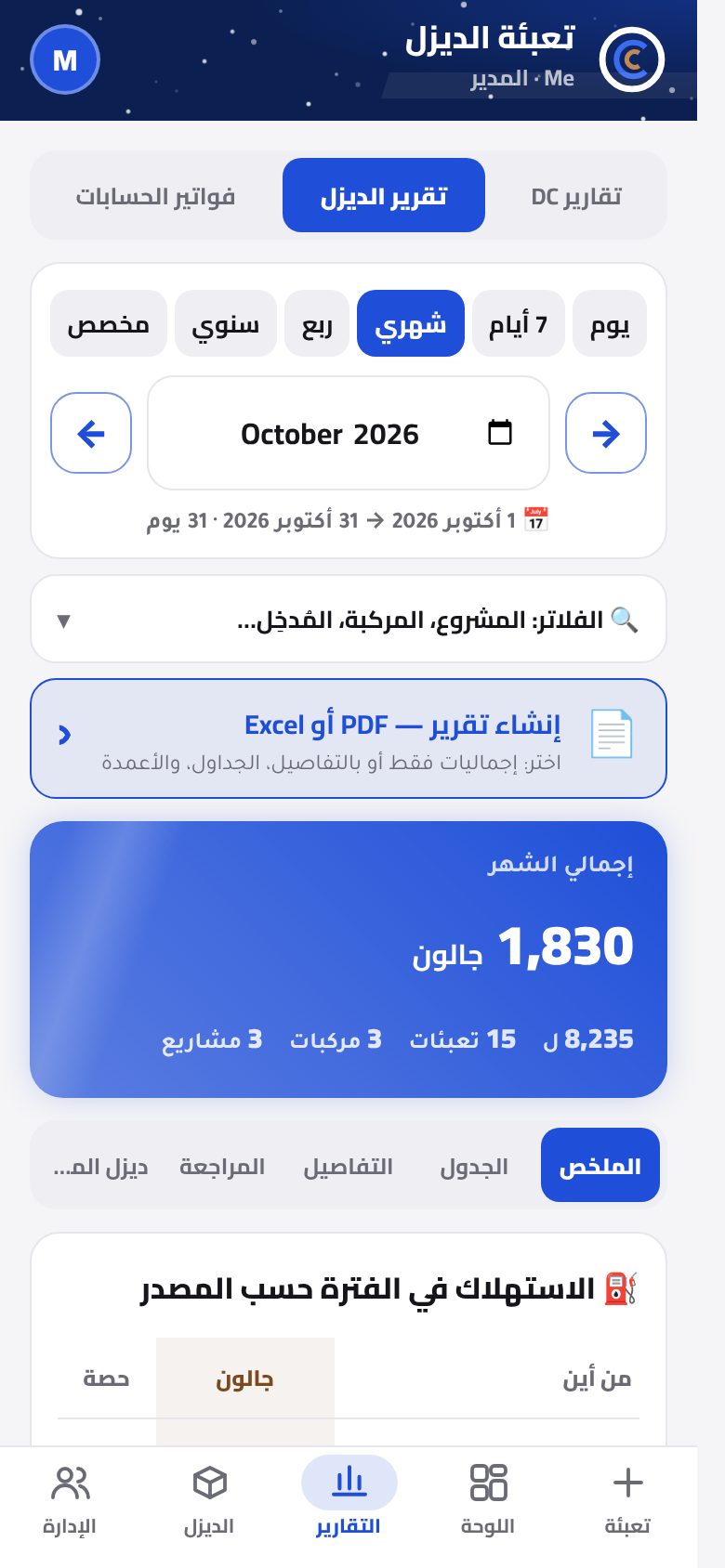
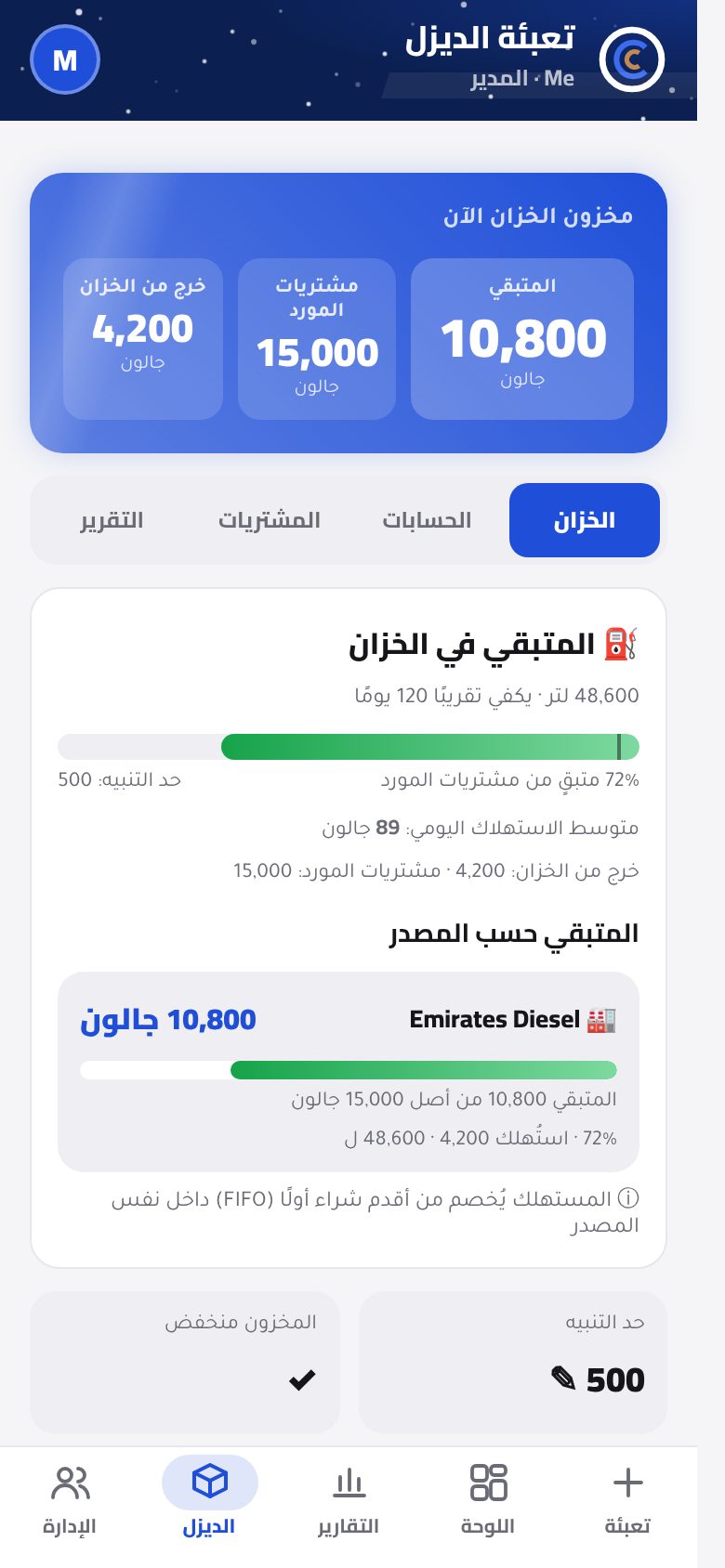
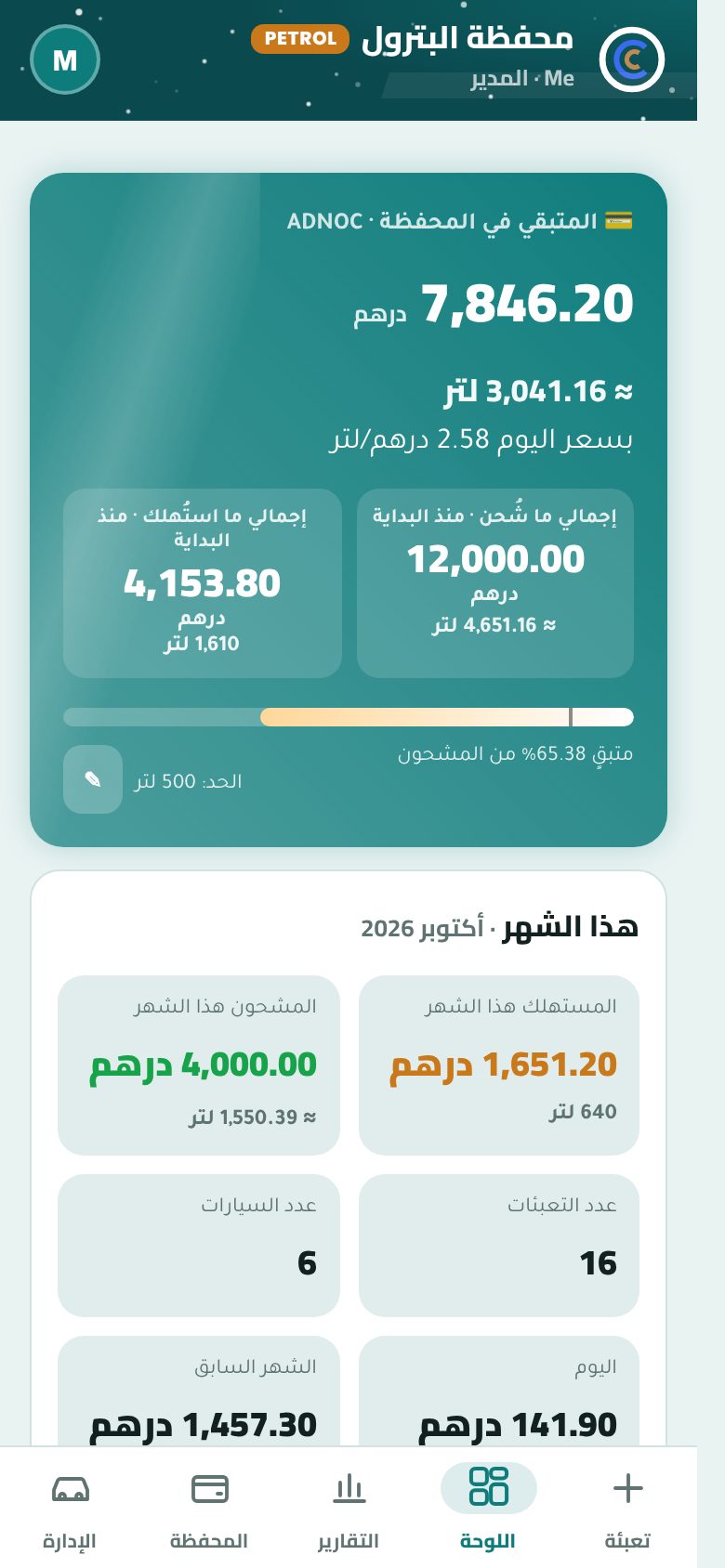
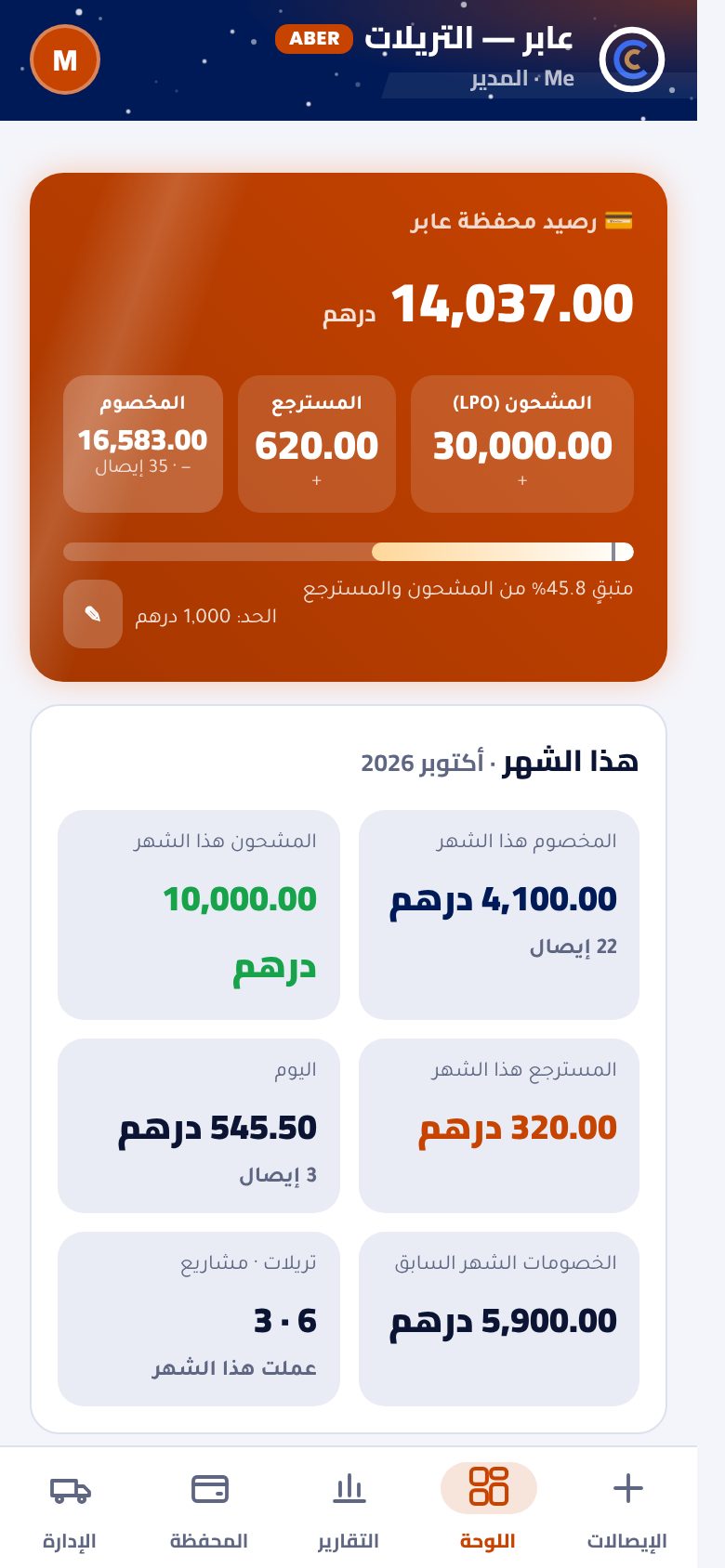
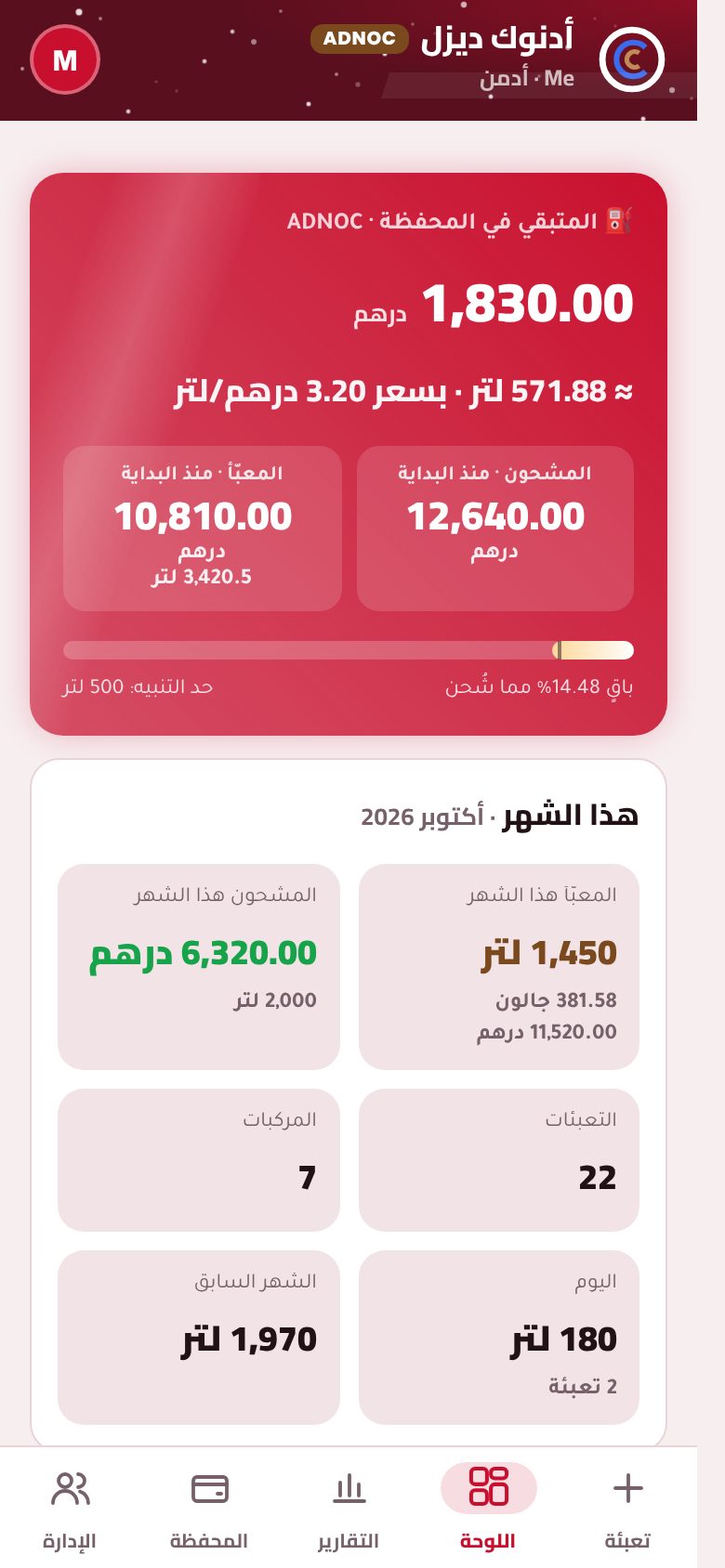
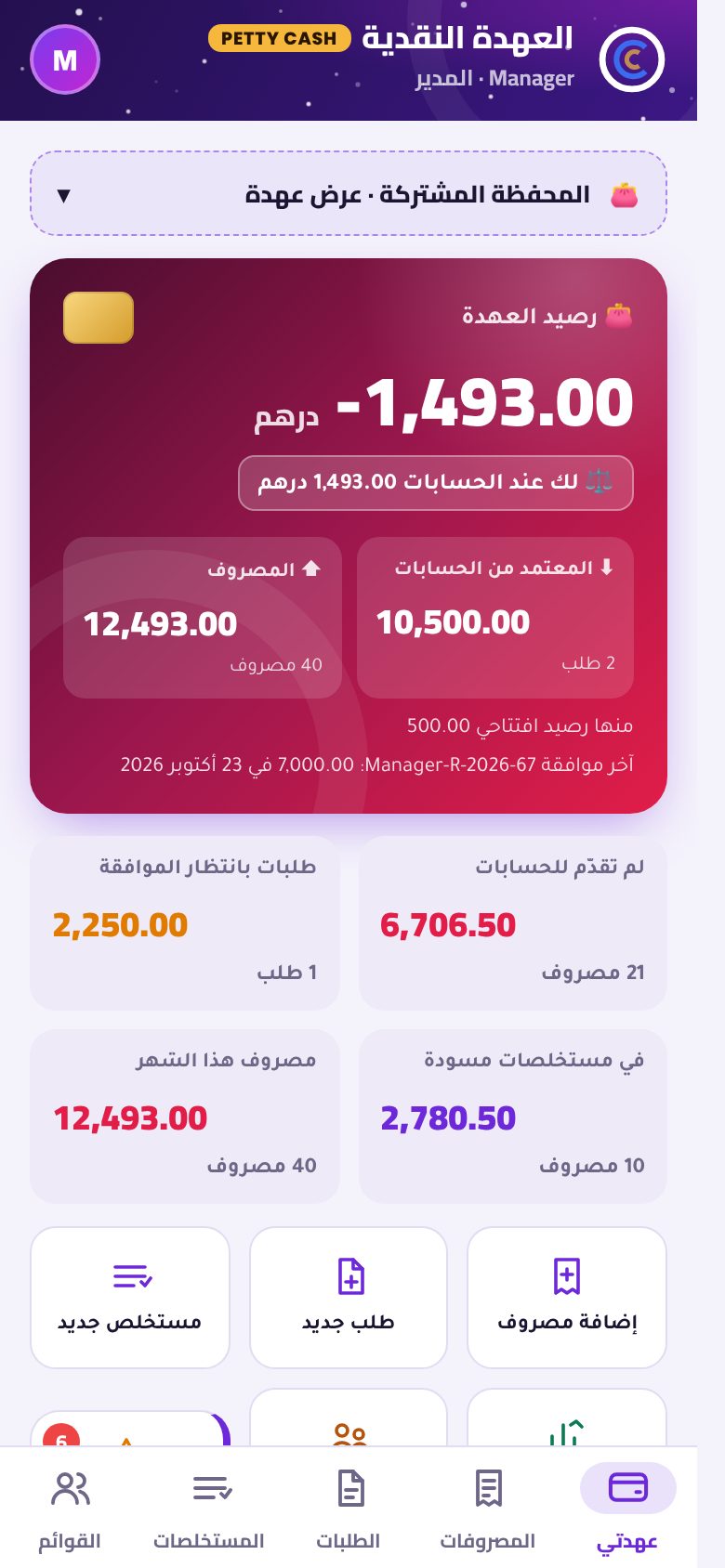
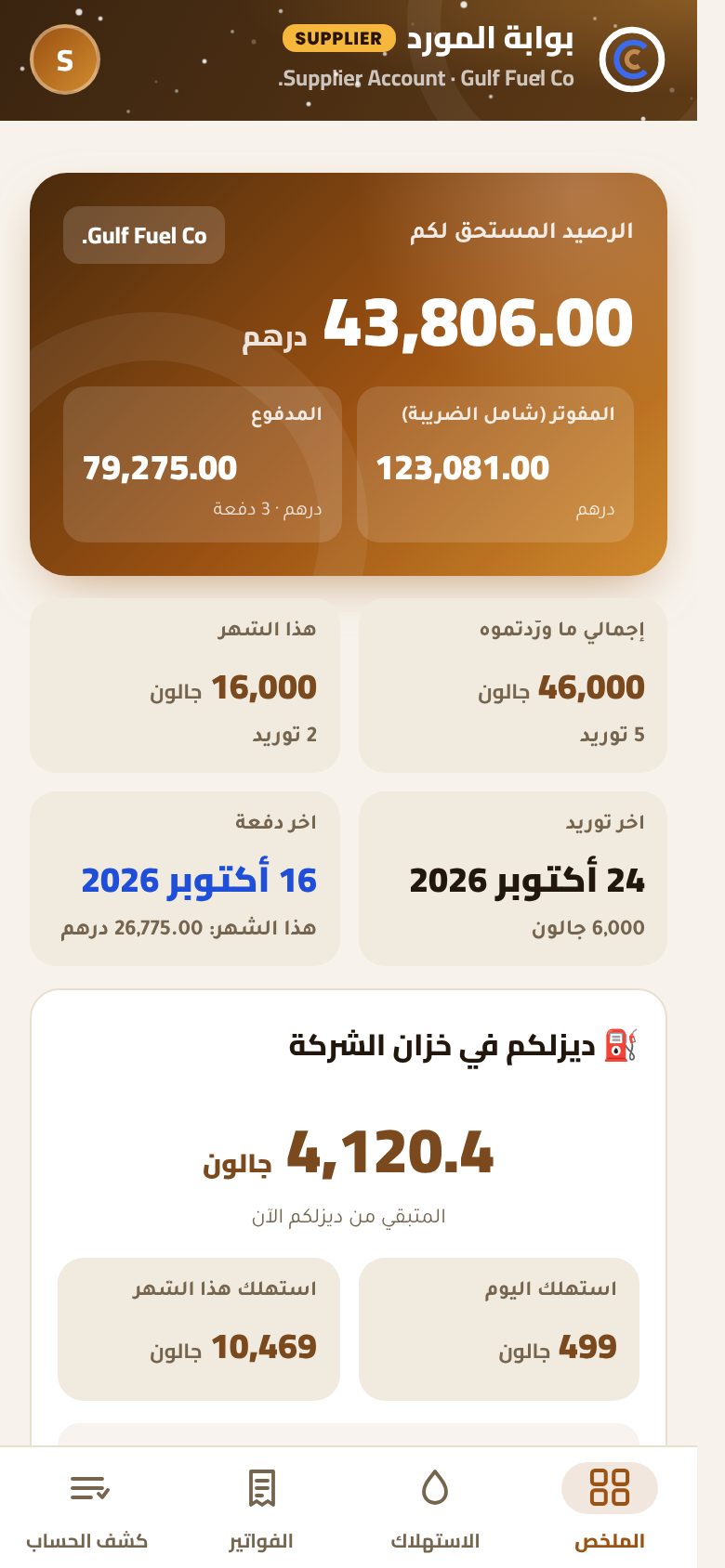
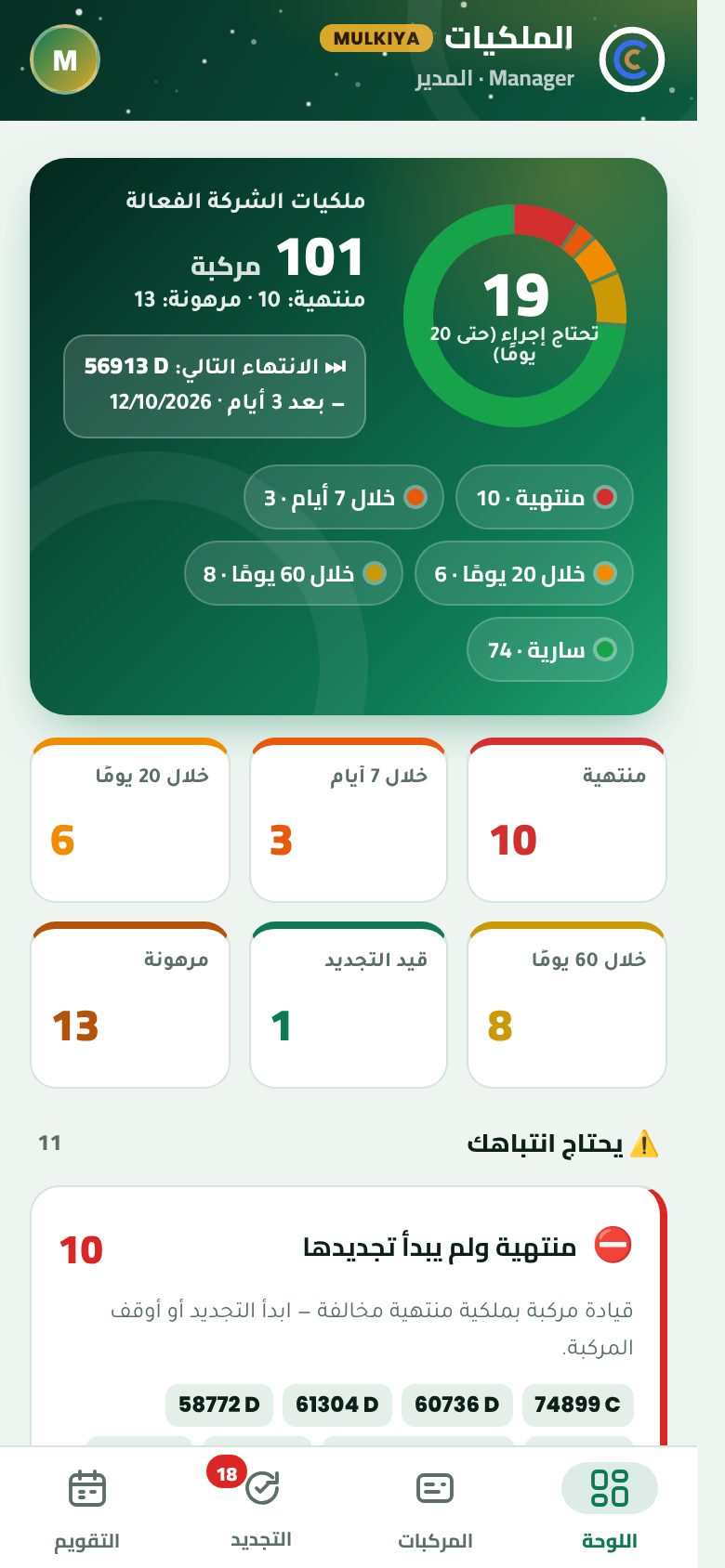
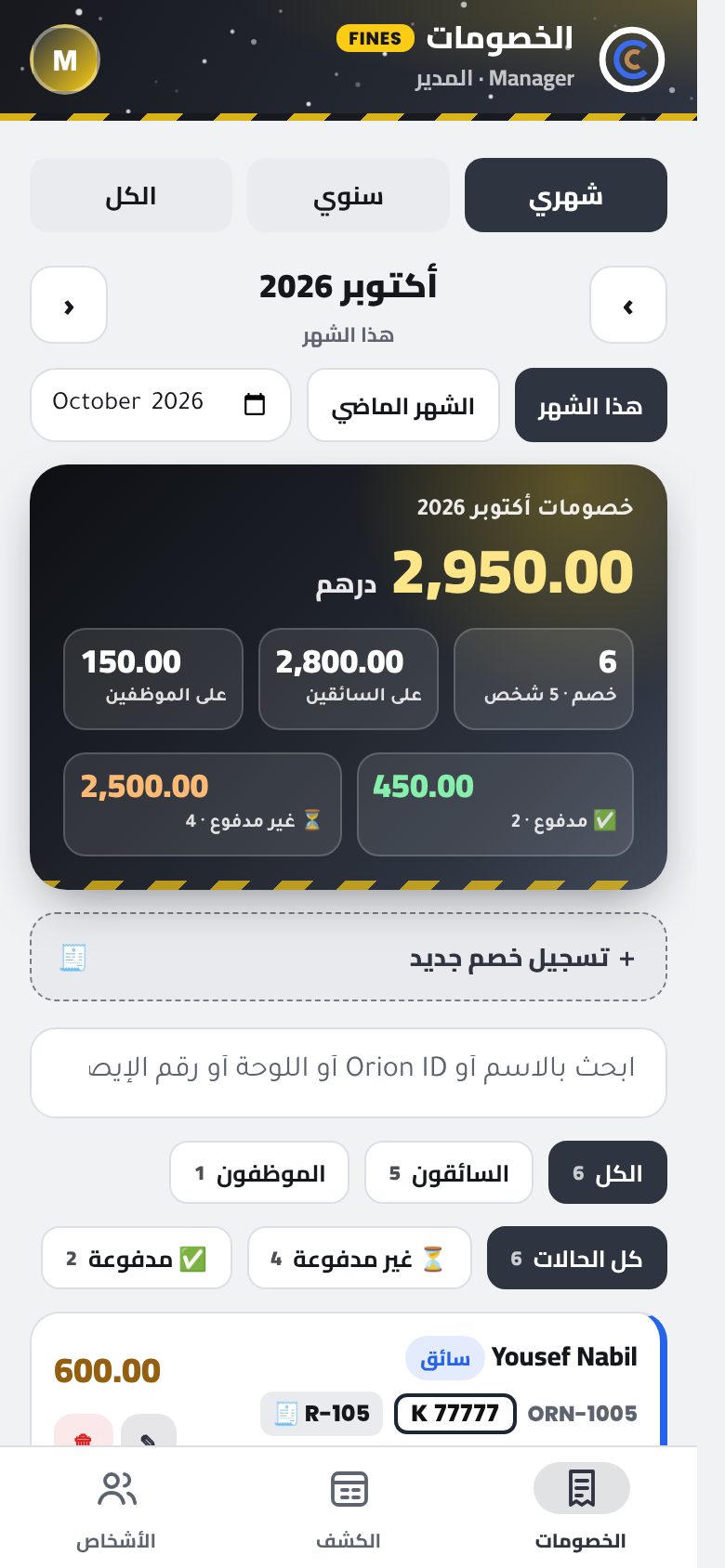
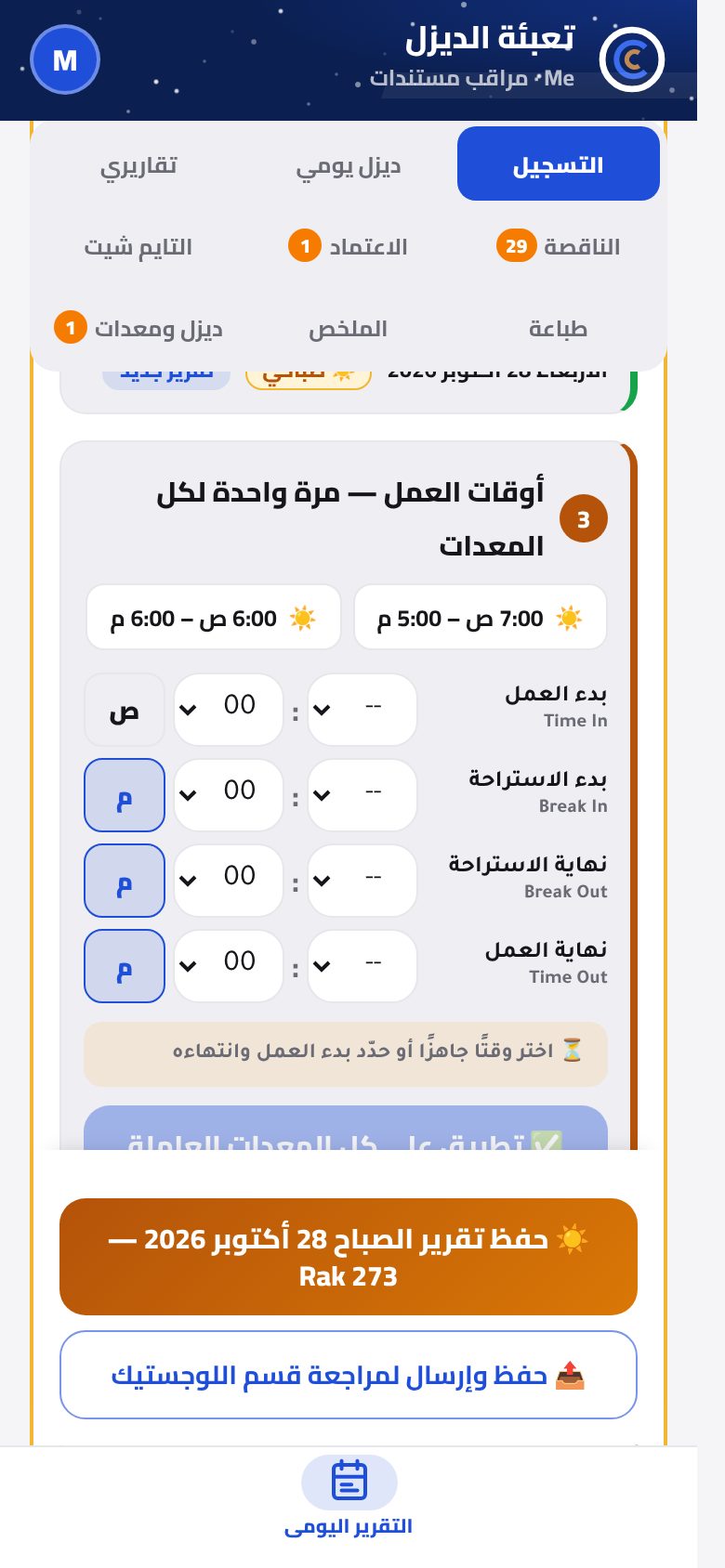
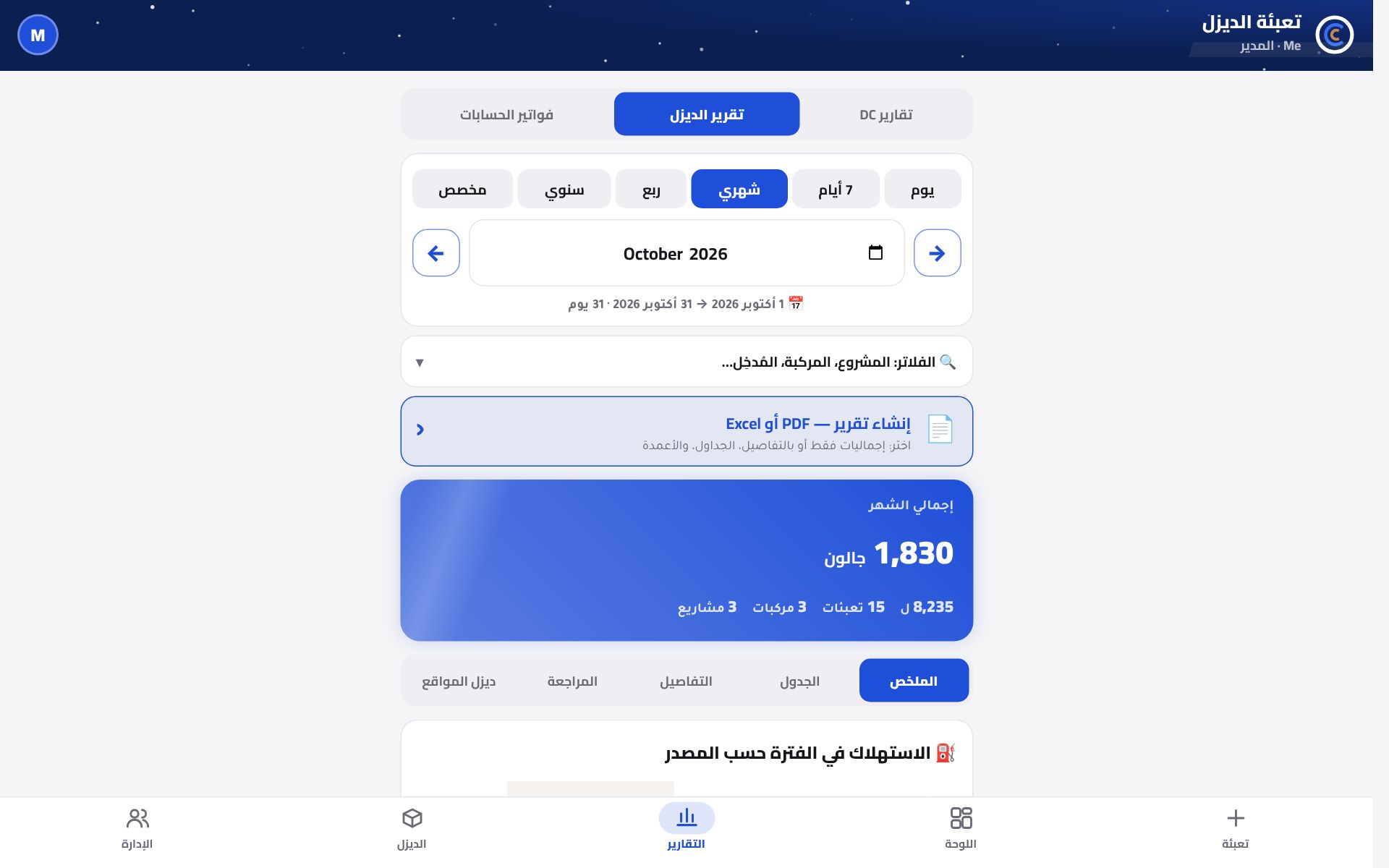
Screens are from a preview build with sample data. No real company data is shown.
What each system does
Diesel
Fill-ups with two mandatory photos, tank stock consumed oldest-first, an accounts invoice every 10,000 gallons, site reports, a timesheet per machine, day-by-day approval by the project manager and logistics, rental-supplier invoices straight from the timesheets.
Petrol wallet
Cars and drivers with fuel tags, a price per litre that applies from the moment it changes, and every top-up a purchase order that the oldest fills cover first and that becomes ready to issue by itself.
Aber · trailers
The driver photographs the gate deduction receipt and records the amount; the office reviews it and lays the receipts onto purchase orders as the papers handed to accounts.
ADNOC diesel
The same diesel data in a separate face for station drivers, every fill priced at its own day, a wallet in dirhams and litres.
Petty cash
Expenses in the accounts sheet’s own columns, requests with official numbering, statements with ordered codes, an independent reviewer who signs what he accepts, and a full report for any period.
Supplier portal
A supplier’s own account that sees only what is his: deliveries, invoices, statement, and his tax invoice printed on his letterhead. Read-only, behind three independent security walls.
Registrations
Every vehicle registration coloured by days left, renewal files with their checklist and costs, and a morning alert 20, 18, 15 days before expiry and every third day after it.
Fines
Driver and employee deductions with receipt, attachments kept for good and payment status, and the month’s or year’s statement for payroll as PDF and Excel.
Built to be trusted
- Every business rule is enforced in the database, not in the screen: a wrong unit, a reading below the last one, a fill-up too soon or an edit in a closed month is refused whatever app sends it.
- Installs on any phone from one printed QR code that never changes; works offline and sends when the signal returns.
- Notifications in three languages by role: a new fill-up, a refusal, low stock, a report awaiting your approval, a registration about to expire.
- An audit log of every edit and deletion, a refusals log of every attempt that was stopped, and a monthly PDF archive of every paper, built automatically.
- Role-by-role security reviews: the whole schema loaded into a test database and every write tried as every role, so “read-only” is proven, not assumed.
Papers that accounts accept
- Supplier tax invoices printed on each supplier’s own letterhead and layout: one row per day for one, an invoice book with dirhams and fils for another.
- Machine timesheets laid out to hold a full month on one A4 sheet with both approval boxes, whatever the phone’s fonts do.
- One project per page in every multi-project report, the project banner repeated on each page it runs onto, totals in the same blue on screen, on paper and in Excel.
- Rates that show their own division, so a manager can check a figure with a calculator and find the same number.
- Excel files whose totals are formulas with stored results, so they open correctly on a phone and recompute in Excel.
Decisions that made the difference
Each one started as a request or a complaint. The value was in choosing the right rule, not the fastest one.
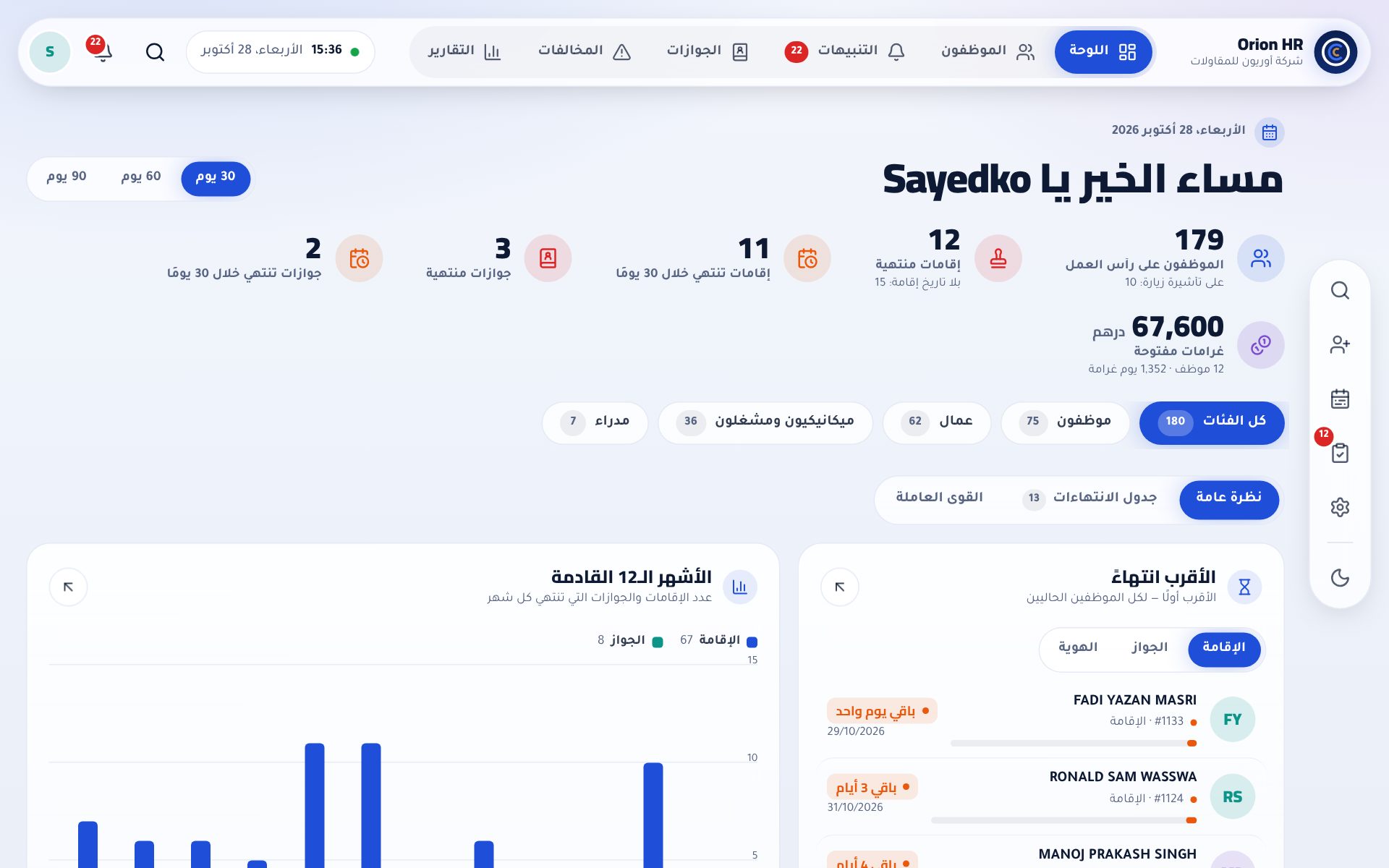
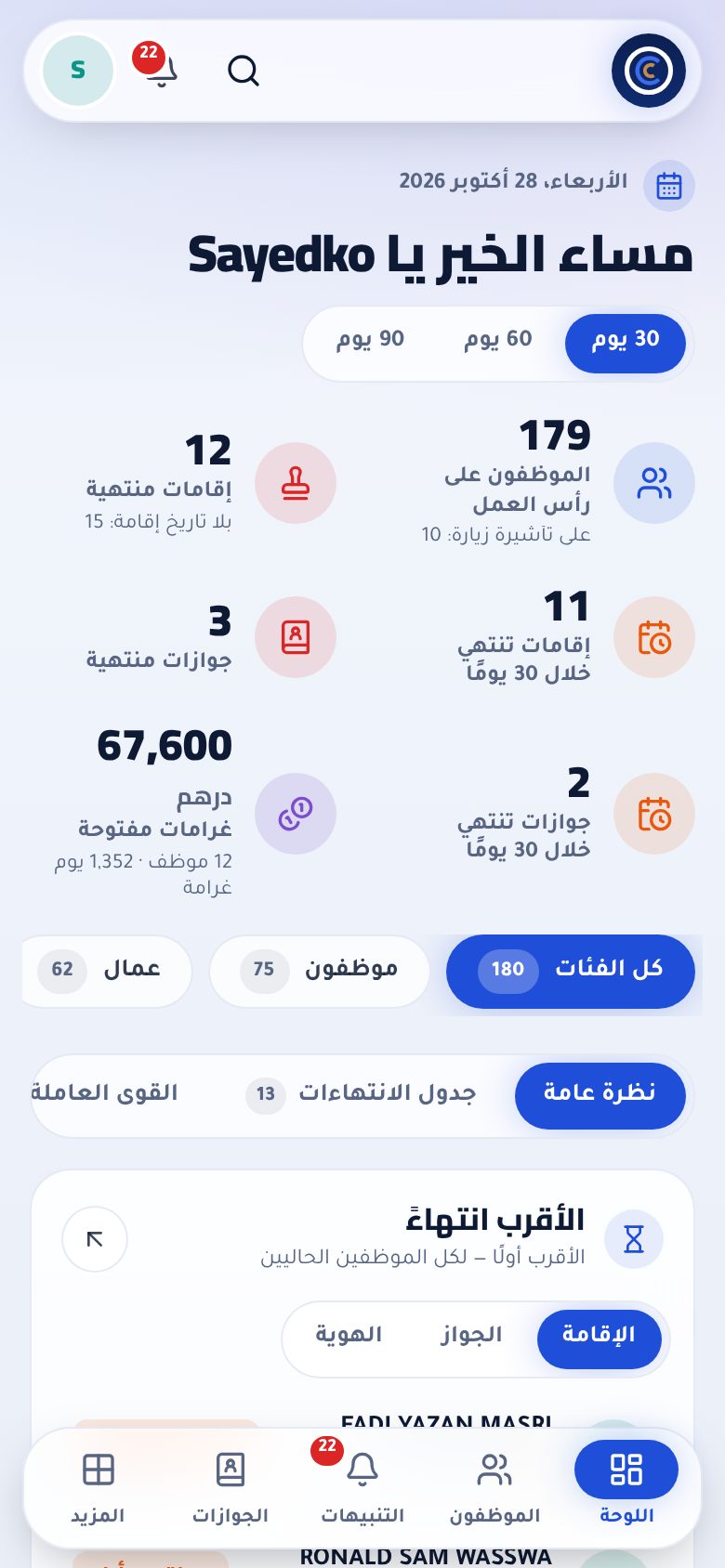
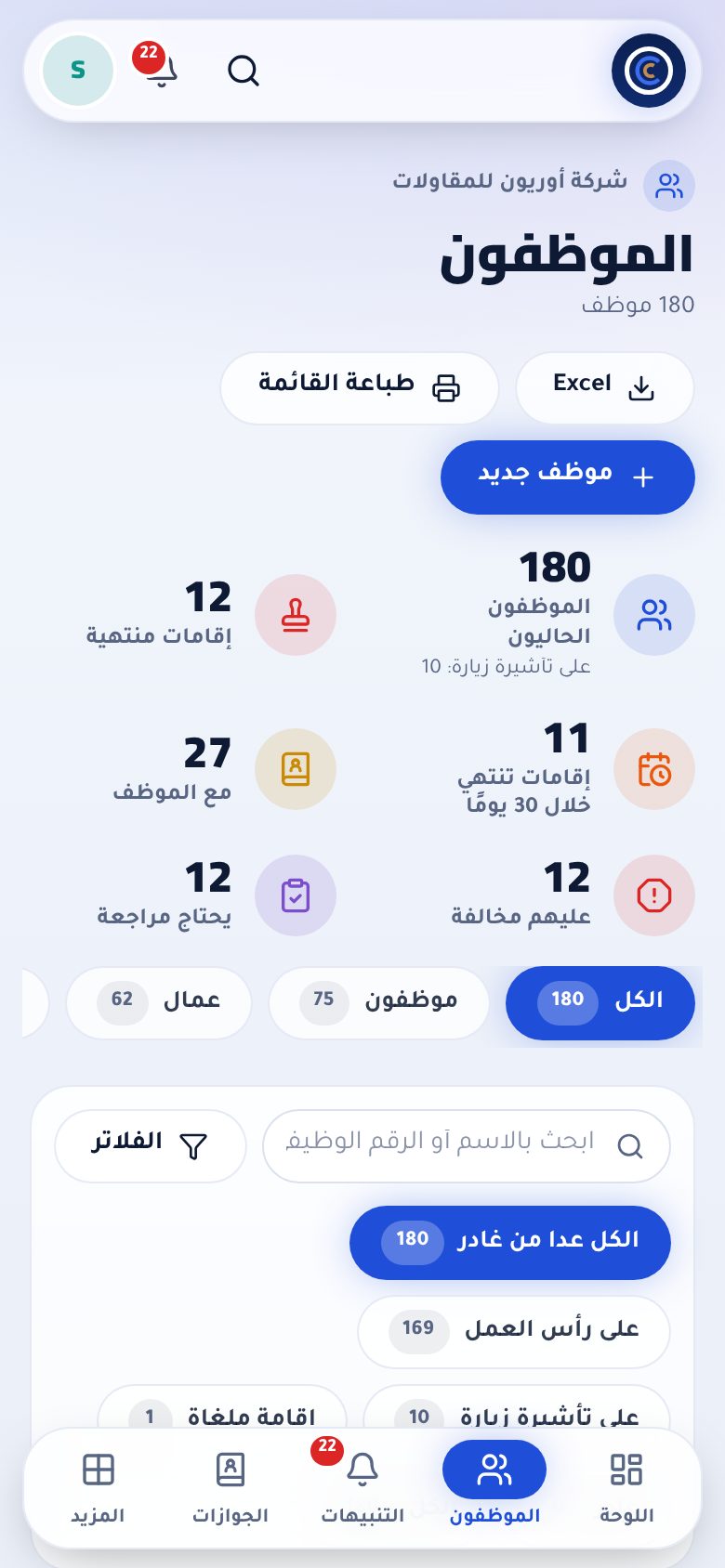
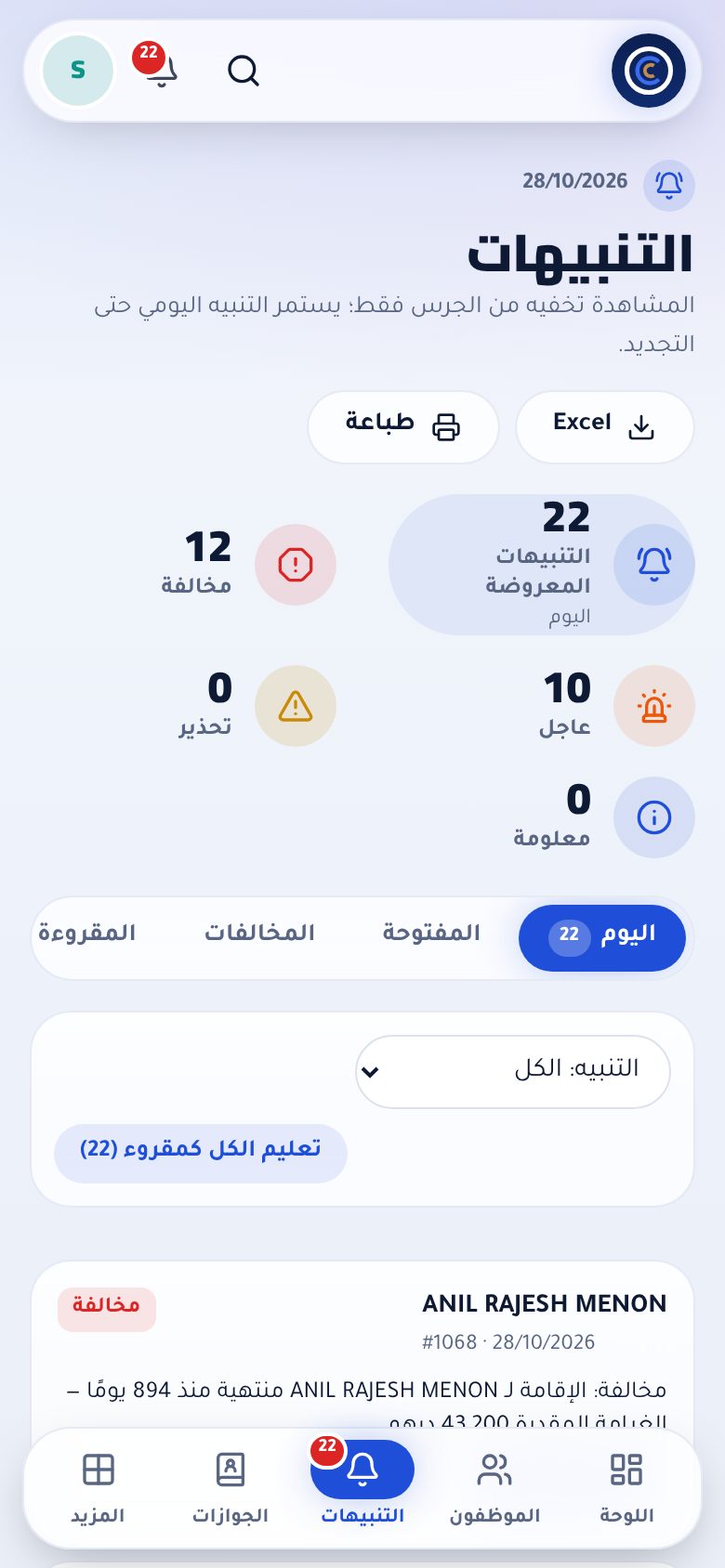
An HR system for 805 employees
Replaces the one Excel file that used to run everything
What it does
- A record per employee and their documents: passport, residence, visit visa, ID, labour card. Every renewal is a kept version, never an overwrite.
- An alert engine that runs every morning: 30, 20, 14 and 7 days before expiry, daily in the final week, then daily after expiry until renewed. Reading an alert hides it; only a renewal closes it.
- Overstay violations with fines computed from the grace period, frozen at the renewal date, and a passport custody log with a numbered bilingual release form.
- Imports the original Excel file without dropping a row: problems go to a review queue, and importing again changes nothing that did not change.
How it holds up
- Four roles enforced by the database itself; the screen only hides buttons.
- A full demo that runs inside the browser with the real rules and 180 sample employees, so anyone can try it before a single account exists.
- One description of a table produces both the Excel file and the A4 print page, so paper and screen never disagree.
- Every role walked through every screen on phone and desktop, in Arabic and English, light and dark, by an automated run before each release.
Cost control: estimation, tenders and letters
Moves the cost-control team off the budget workbook and the procurement team off email threads
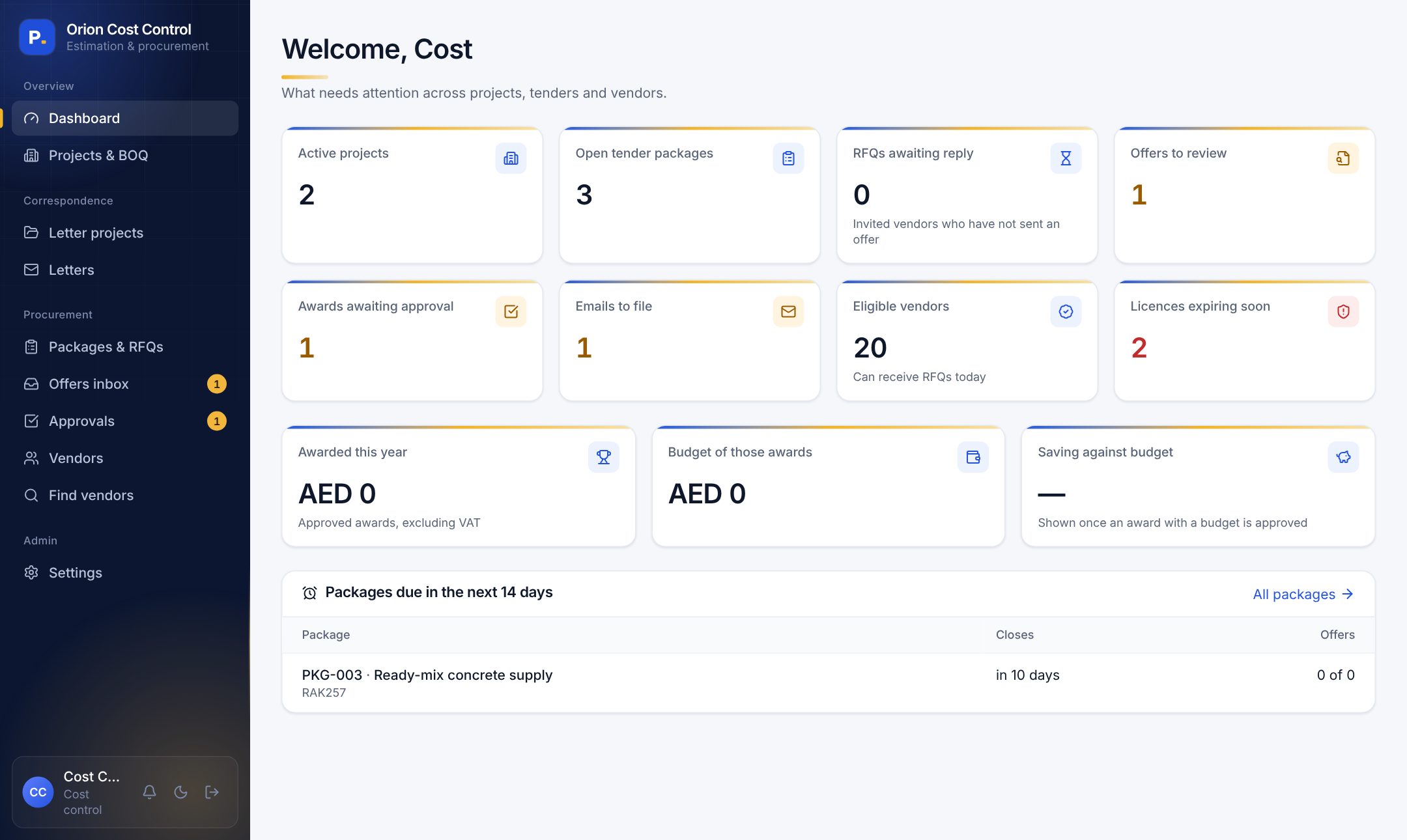
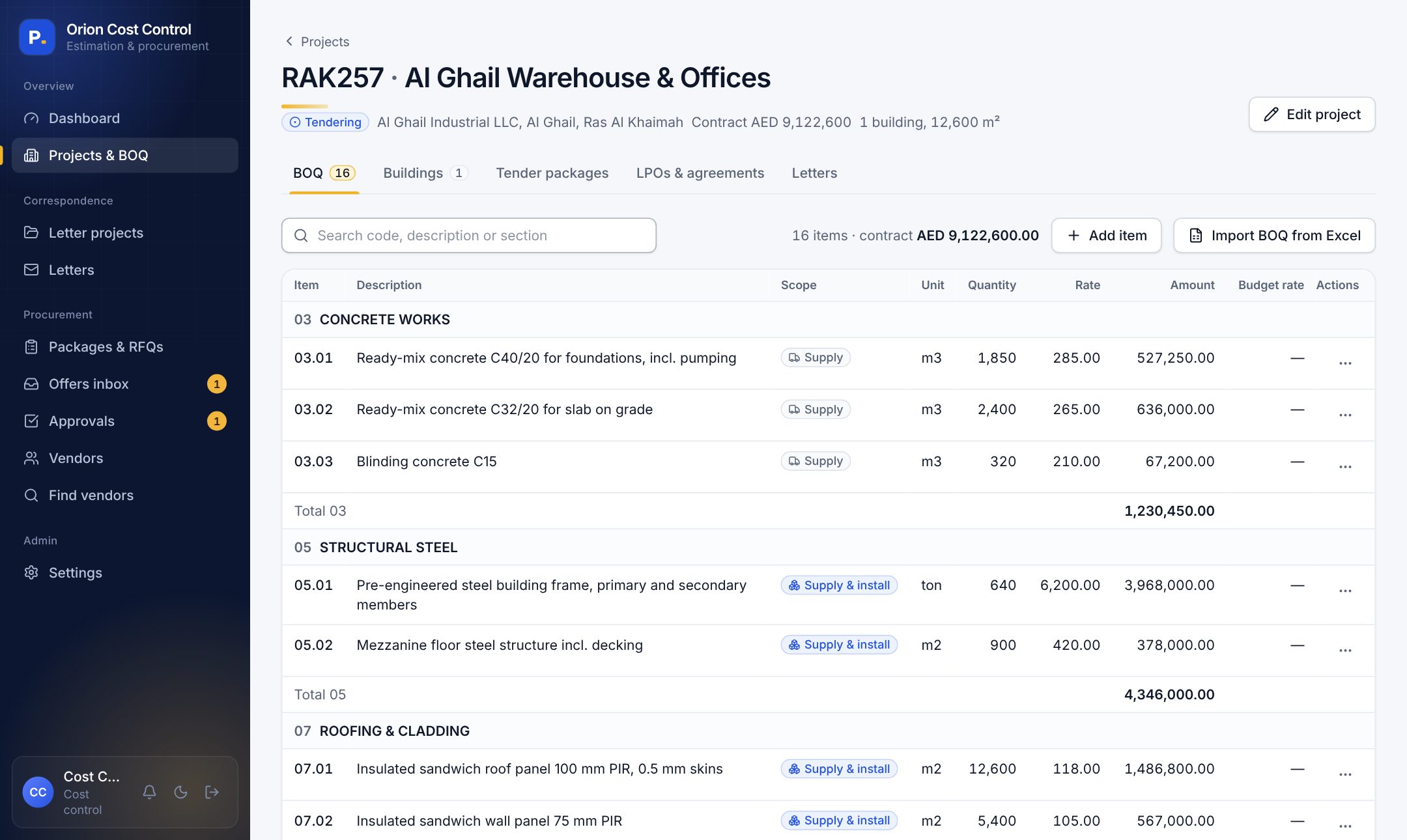
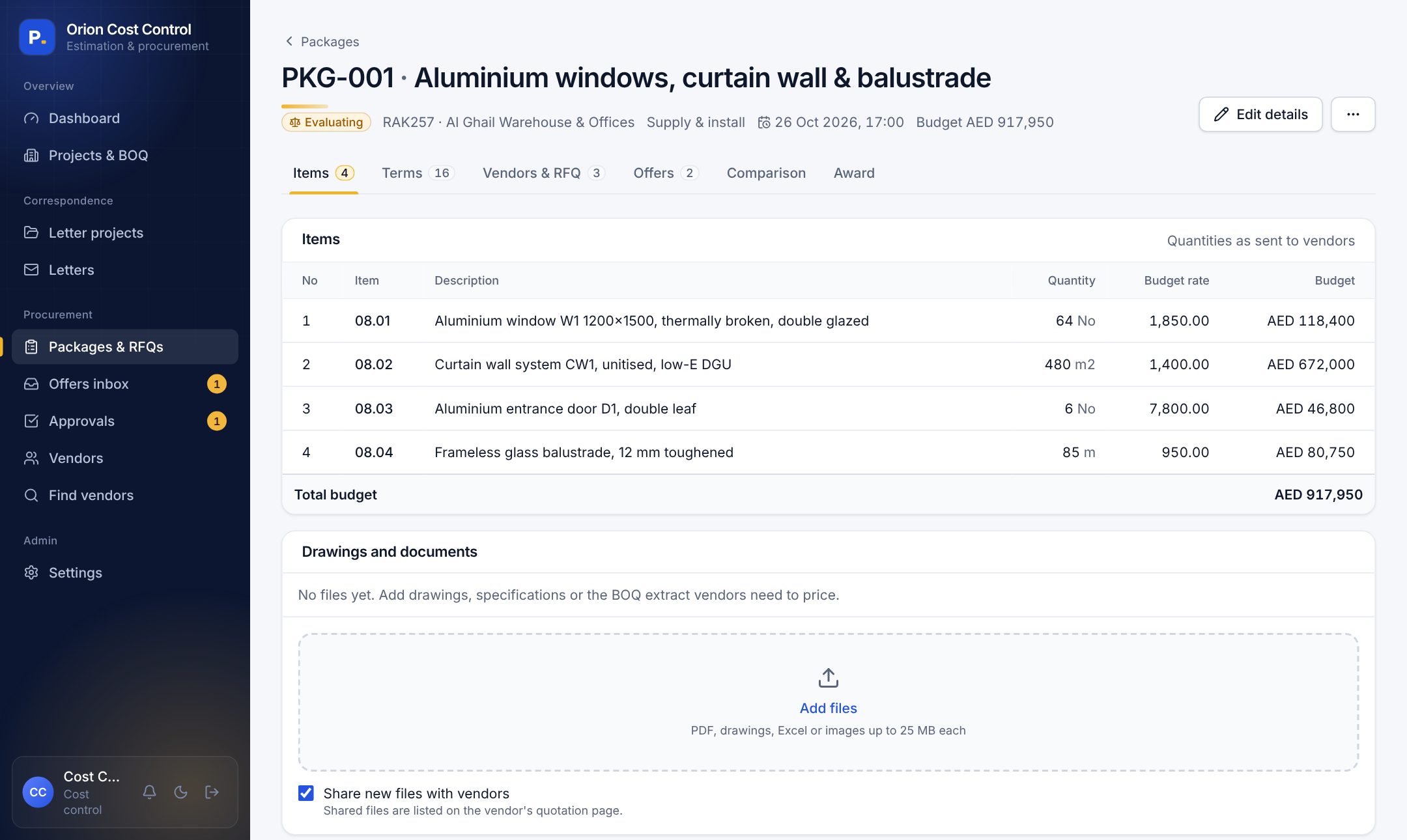
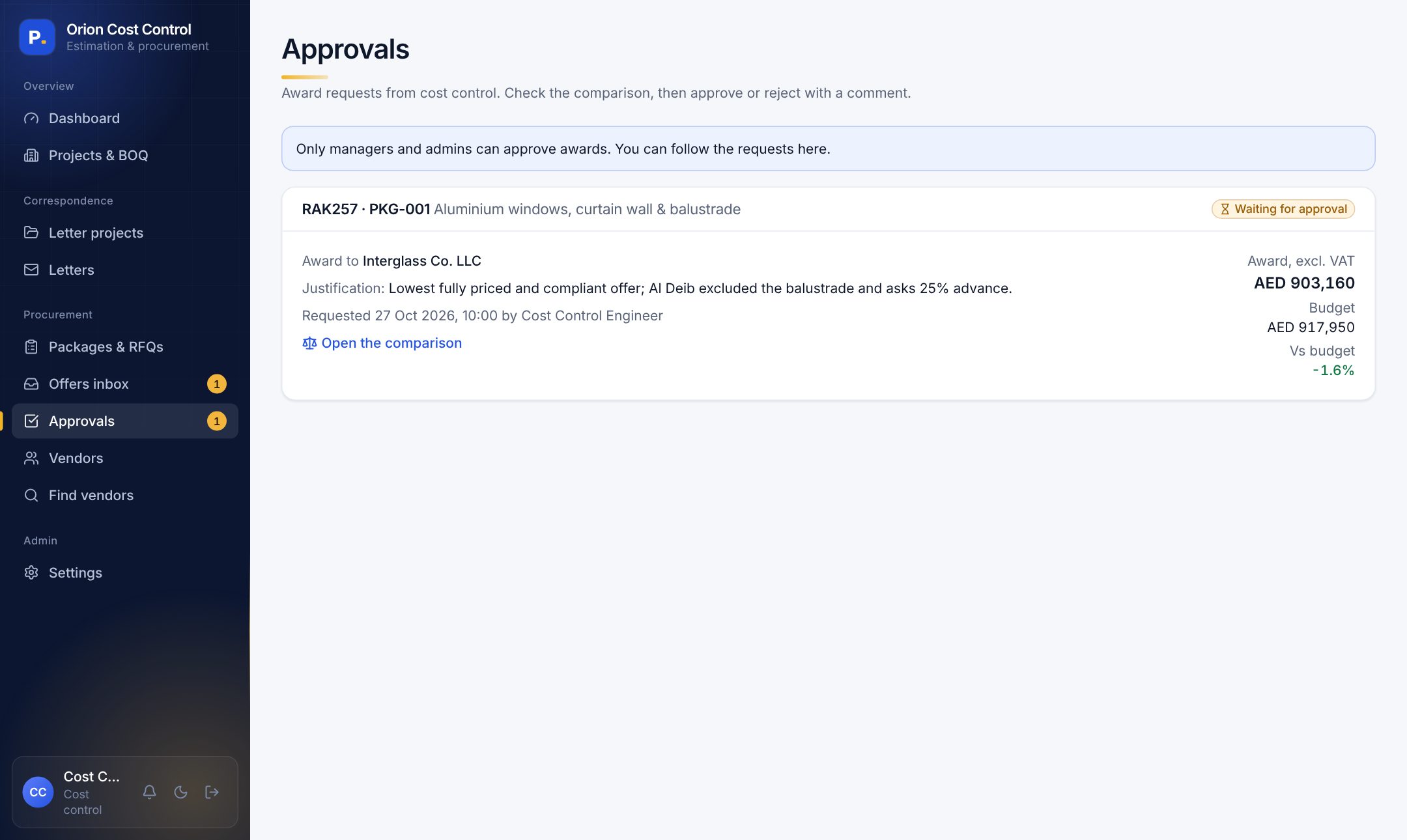
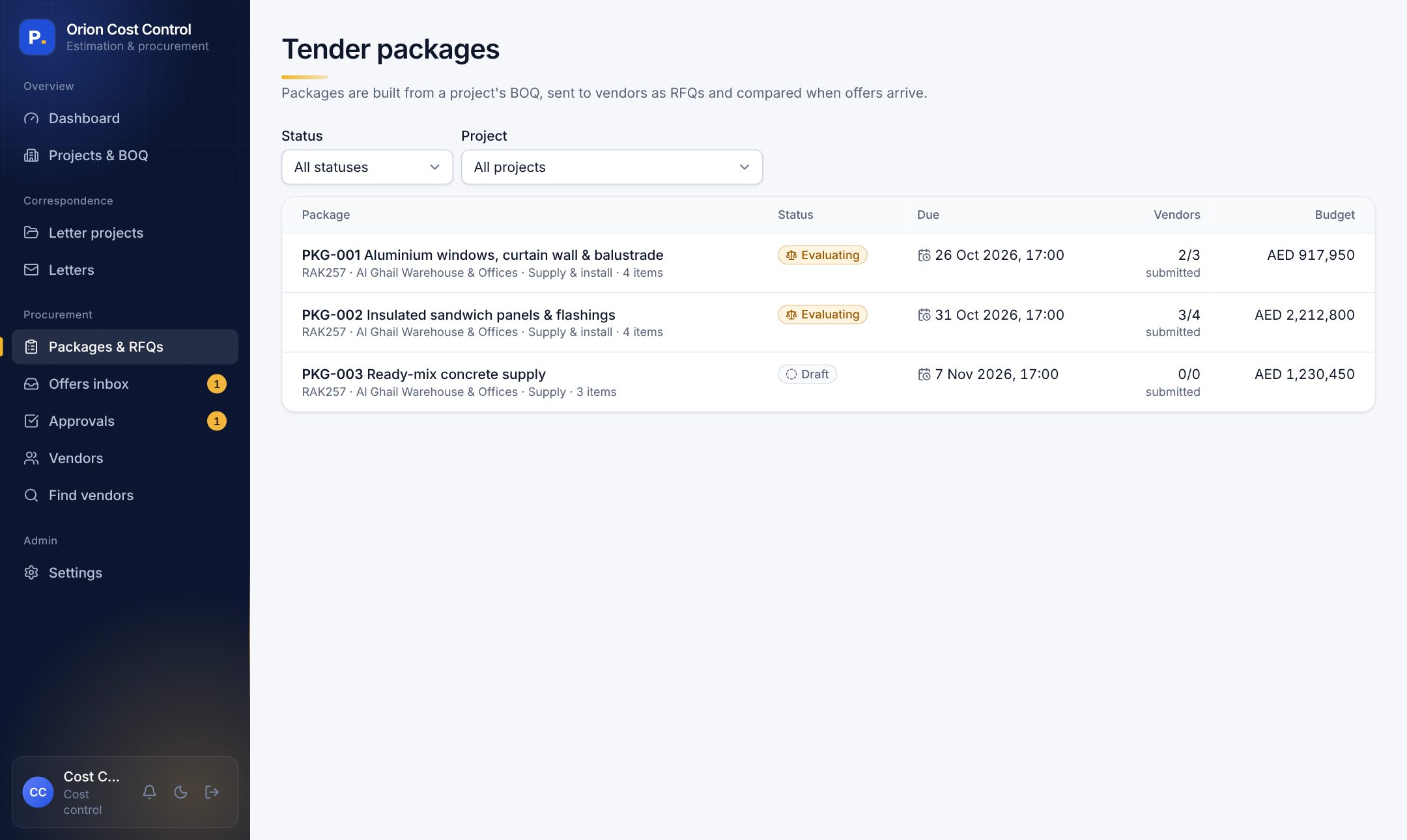
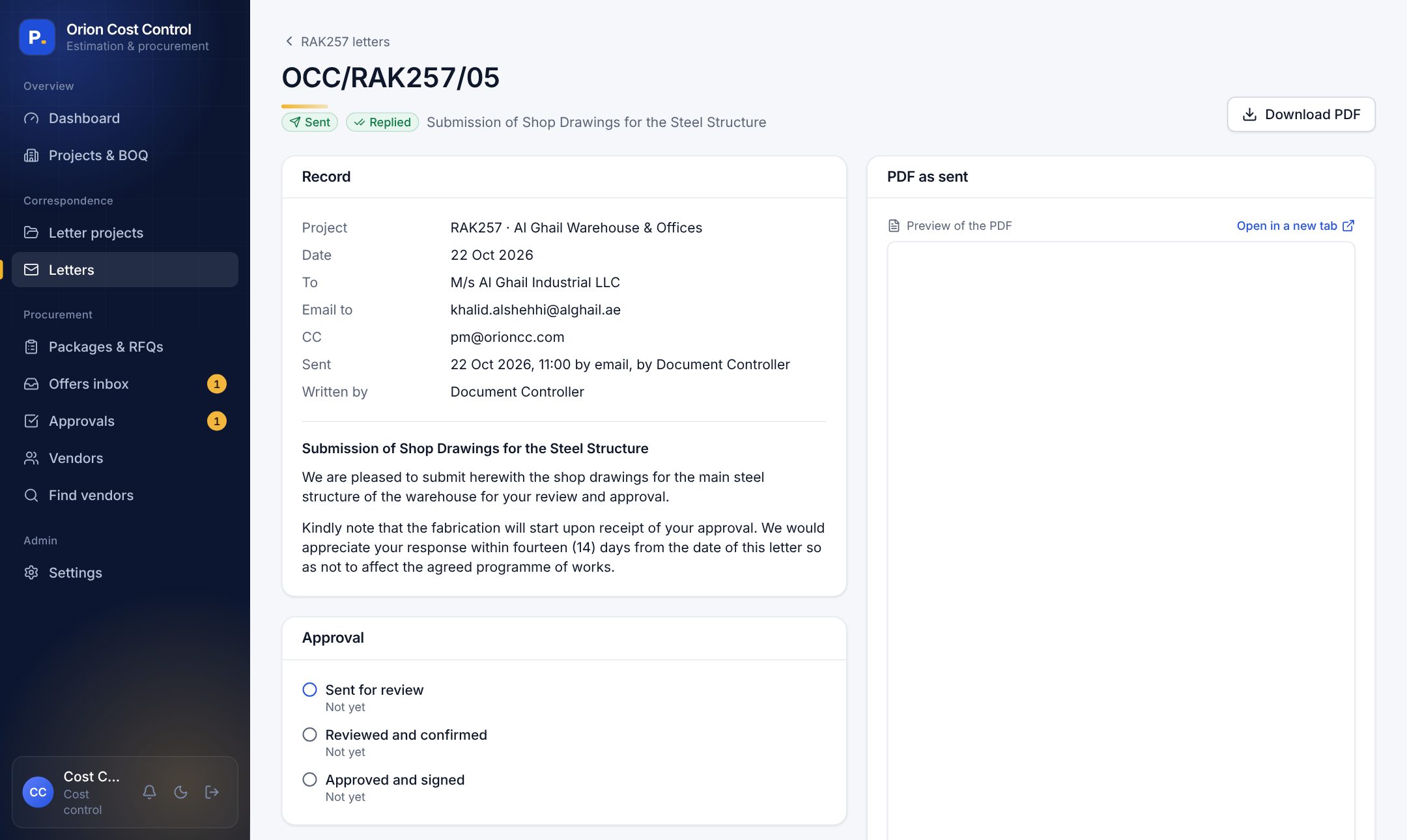
Screens are from the built-in demo with sample projects and vendors.
What it does
- Project data, take-off per building, cost analysis by material, manpower, equipment and subcontract, priced bills of quantities, and the material and subcontract lists that feed procurement.
- Tender packages built from the budget, RFQ emails, a secure vendor portal, offers from any channel, one-click comparison against budget and terms, awards and approvals.
- The consultant’s contract BOQ imported and kept apart from the internal budget, so the contract value and the real cost never get confused.
- Numbered project letters as PDFs on the company letterhead, written by a document controller, reviewed, signed and sent, with a register per project.
Why they trust it
- Same numbers as the workbook: the calculation engine was proven equal to the original budget file with golden scenarios before any screen was drawn.
- Vendor eligibility is a rule, not an opinion: only vendors with a valid licence and accreditation can receive an RFQ, and expiring licences are flagged on the dashboard.
- Every award carries its justification and its saving against budget, and only a manager can approve it.
- Lint, types, unit tests and database tests run on every change, and the deployment publishes itself only when they pass.
Live sites with their own admin panels
Public faces that the owners update themselves.
orioncc.com
LiveOrion Contracting’s public site: projects with galleries and key points, sectors, clients, certificates, news and events, contact submissions, and every homepage block editable from the panel.
btsconsultant.com

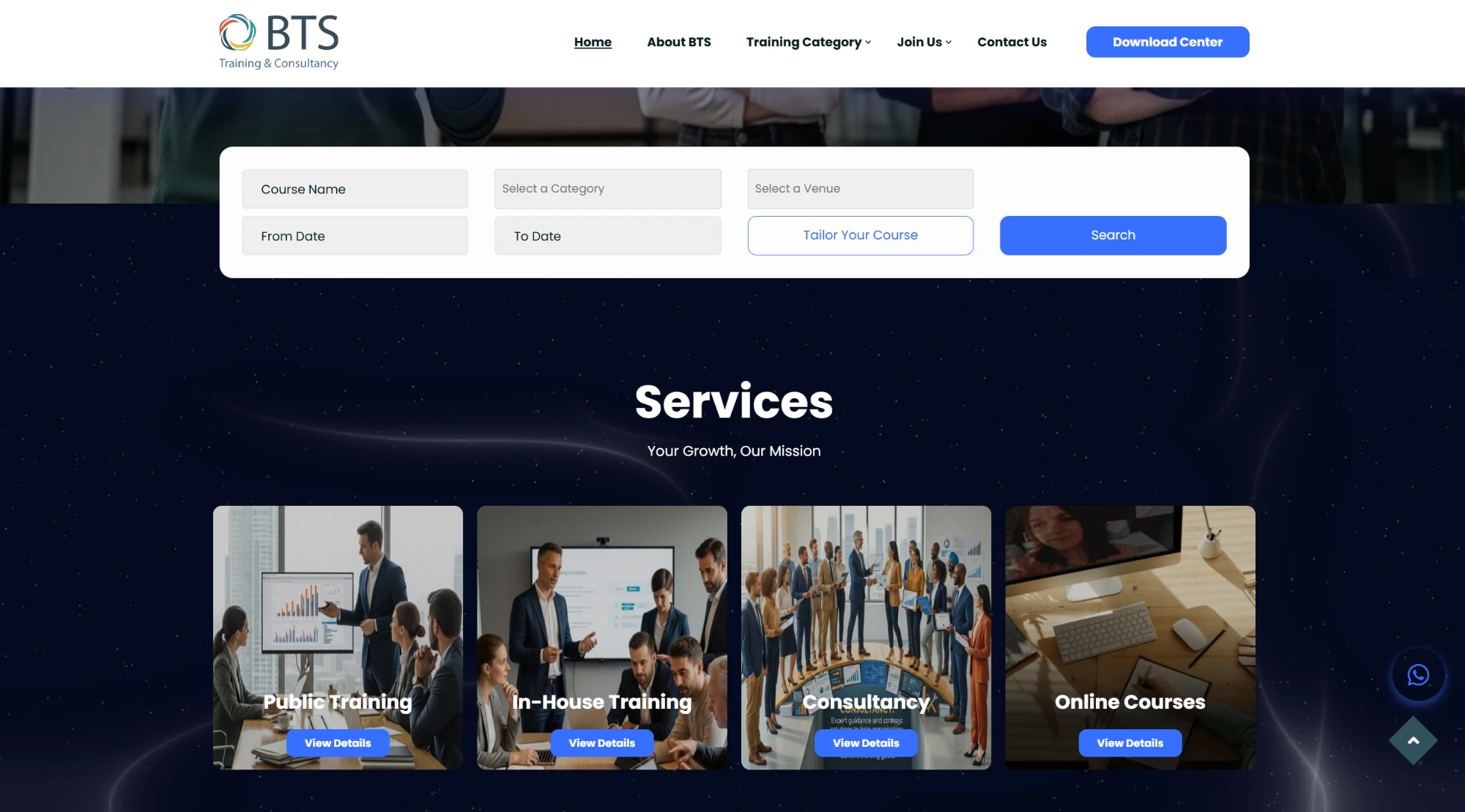
A training institute’s site and back office: course catalogue by category, rounds by venue and date, trainers and speakers, online applications, offers, partners, a download centre, careers and a newsletter.
varex.com.eg
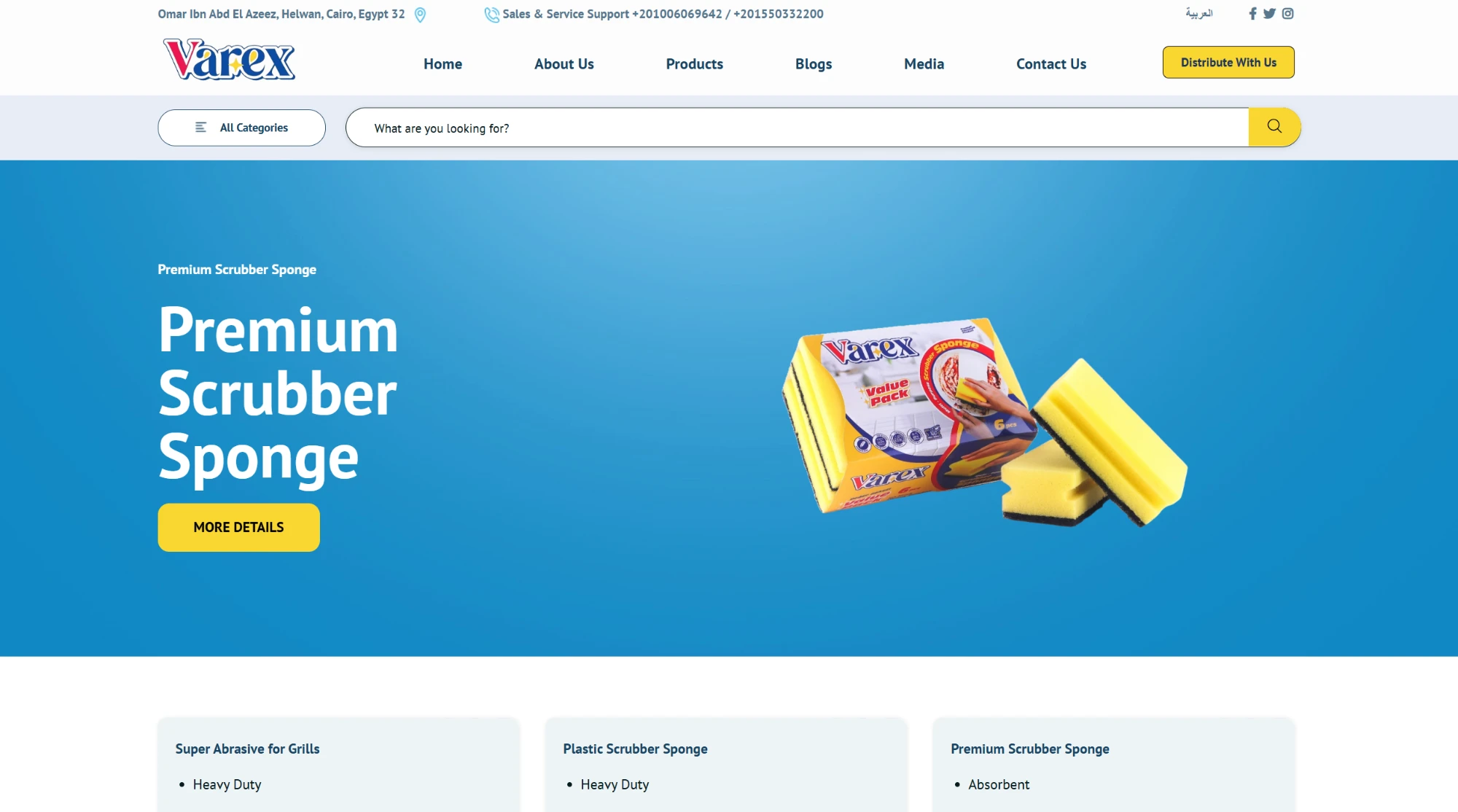
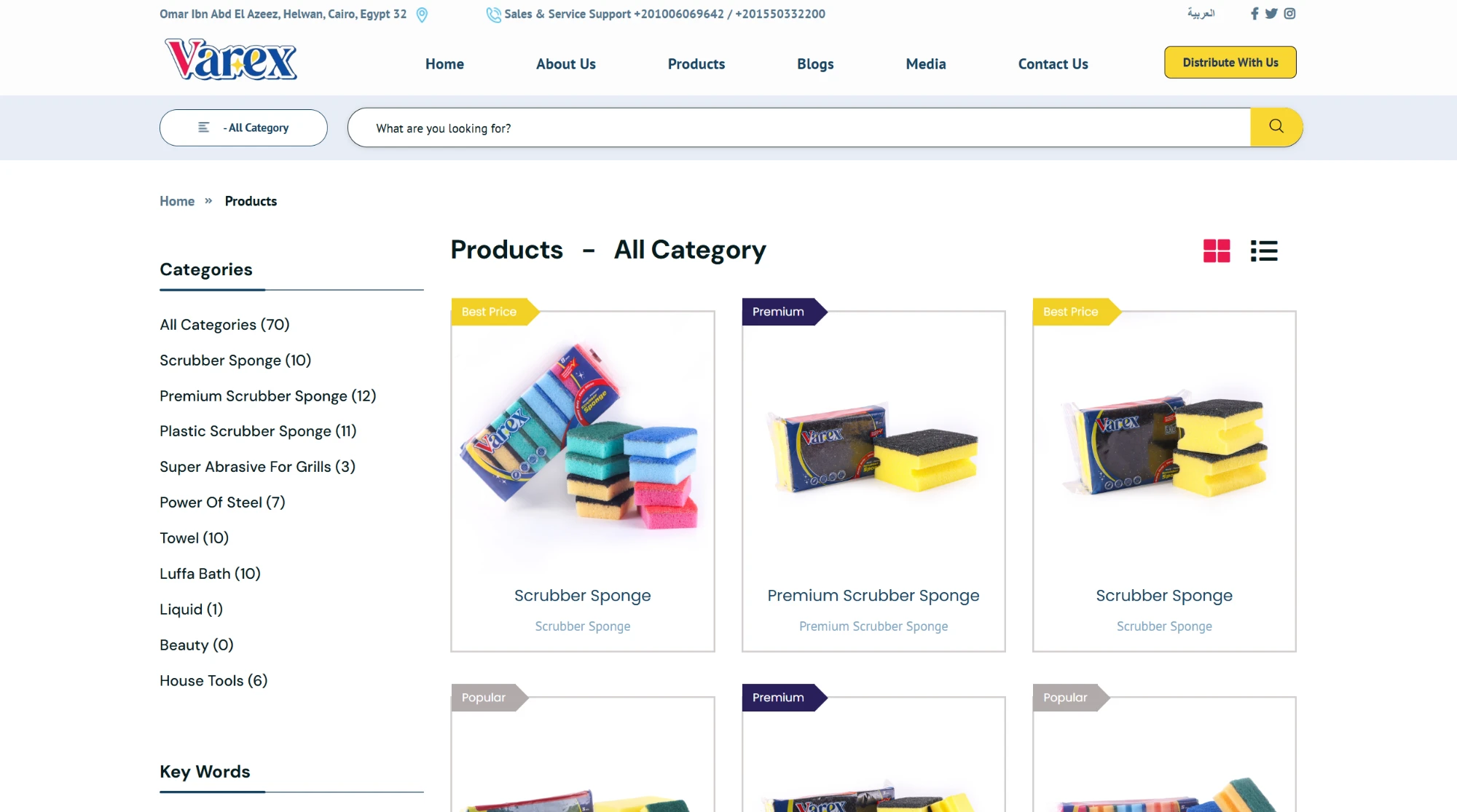
A manufacturer’s site: product catalogue by category, certificates, media and blog, FAQs, distributor requests and contact forms, all managed from its own panel.
Operations, web and mobile
Each built for a real owner with a real deadline.
IT Asset Control System
In productionEvery device, SIM card, router, printer and internet line the company owns: who holds it, on which project, since when. Handover and clearance forms signed on screen and printed as PDF.
- A QR code on each device opens its record; a fixed company QR for new joiners.
- Asset requests with approval, transfers between projects, monthly SIM reports, deductions for lost items, employee evaluations.
- Employees imported from Excel; clients’ and consultants’ staff tracked beside the company’s own.
Phonatna (Phonex)
Ready for the storesA shop app for phones and accessories: the owner and admins add products, customers browse, search, order and pay with Egyptian wallets. Light and dark, Arabic and English, push notifications.
- Three admin tiers with the owner hidden from everyone below; receipts kept in private storage.
- Forty-two ordered database releases: rate limits, order integrity, stock hardening, honest view counters, an audit and recovery path.
- Account deletion inside the app and legal pages ready, as the stores require.
Hanwafar
Built · in reviewA multi-vendor marketplace: sellers open stores under a contract, admins approve, pause and manage them, customers shop across stores, rate products and track orders. Phonatna grew out of its lessons.
- Seller, admin and customer faces in one app, each seeing only what is theirs.
- Store contracts, category management, product visibility controls and notifications to sellers on every admin action.
Issue Tracker
In useIssues, labels, comments and history per project, meetings with their minutes, a portfolio view across projects, and notifications, with roles for company admin, construction manager, general manager and project manager.
Document store
In useProjects, folders and files for the company’s drawings and documents, with users and permissions, replacing shared drives nobody could search.
Screens of these products are available on request; the systems above hold client data and are not shown live.
All figures on this page come from systems in daily use. Screens are from preview builds with sample data.